Currently, Protection Island and Dungeness National Wildlife Refuges are jointly managed by the U.S. Fish and Wildlife Service and the Jamestown S’Klallam Tribe. This collaborative approach should serve as a cooperation success story, and should continue. It has been in place for just two years, and has been acknowledged by the Peninsula community and by research biologists as a model partnership.
Both Refuge units are part of the larger Washington Maritime U.S. Fish and Wildlife Refuge Complex and are managed to protect and enhance the biotic health of the Salish Sea. Lying at the heart of the Salish Sea, the island’s spits and rocky prominences offer the only hope for some bird and sealife populations that can thrive nowhere else. Managing the 85 units that make up that complex means that the daily, monthly and yearly movement requirements of sensitive birds and marine mammals can be considered under one managed plan and one management goal.
The Current Threat
Congresswoman Emily Randall, District 6 elected representative, has announced her intention to submit a bill in Congress that would end that cooperation and also end federal ownership and oversight of these two critically important refuges. It would remove them from the Washington Maritime U.S. Fish and Wildlife Refuge Complex, taking public lands from public hands, and transferring them to the Bureau of Indian Affairs, and then to the ownership of the Jamestown S’Klallam Tribe. Severing ties to federal Maritime Refuge Complex, and creating conflicting management goals, is a very bad plan for wildlife in this time of rising climate change impacts.
The draft bill, called the Jamestown S’Klallam Tribe Land Transfer Act of 2026, would ultimately end the public lands status for the refuges. Tribal sovereign government ownership guarantees that all decisions are in the hands of the Tribe. There would no longer be required public input for management plans, nor federal oversight and enforcement of federal laws that protect wildlife.
S’Klallam Tribal Chairman Ron Allen has publicly stated his desire to abandon co-management and take over the Refuge lands as tribal lands is in large part due to federal regulations that stand in the way of the Tribe pursuing expansion of non-native Pacific oyster cultivation inside the Refuge boundaries. The Tribe is also engaged in other types of aquaculture. It currently harvests geoducks which are exported to Asian markets and has continued to lobby for the return of net pens, currently banned in Washington following catastrophic failure and escape of net pen raised non-native Atlantic salmon. Whereas we all support the Tribe’s right to self-economic determination, the Refuges were set aside as public lands to protect sensitive seabirds and other wildlife in perpetuity, not for private or tribal economic gain.
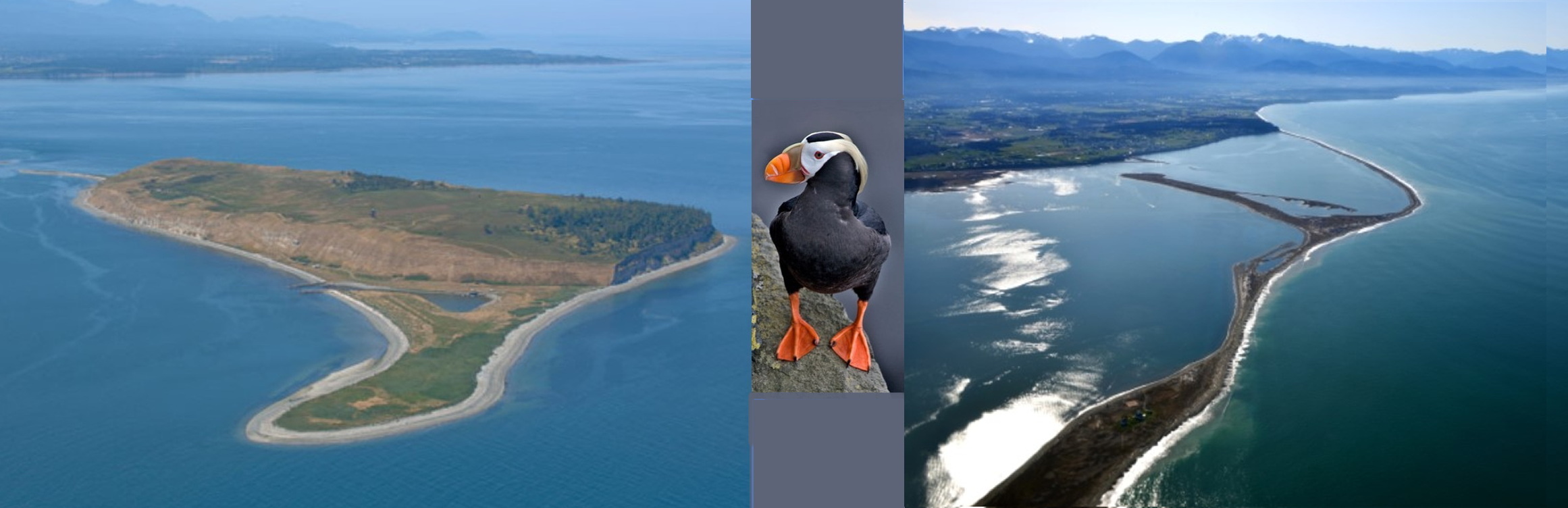
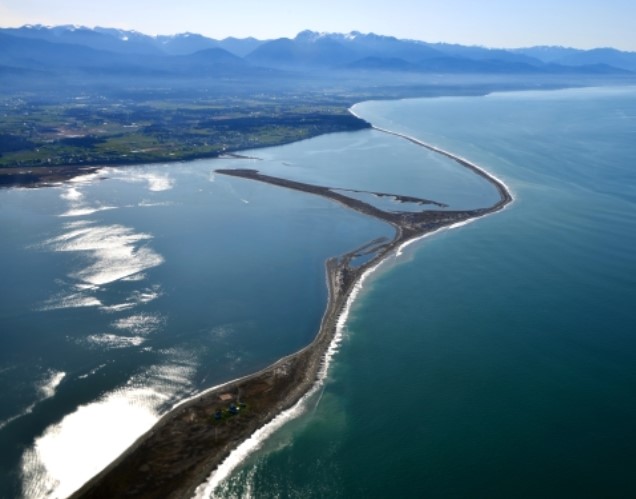
One of the longest natural sand spits in the world reaches five miles into the Strait of Juan de Fuca. Its tideflats and eelgrass beds feed migrating shorebirds, waterfowl, and the harbor seals that haul out along its inner shore. It was established on January 20, 1915 by U.S. President Woodrow Wilson.
Protection Island
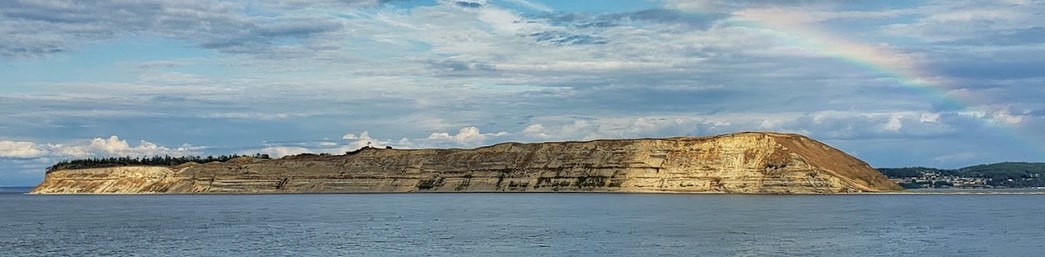
Nearly three-quarters of the seabirds nesting in the Puget Sound region raise their young on this single windswept island. Closed to the public, it is a true refuge — human feet stay off so that wings can stay in the air. It must remain protected.
The Protection Island and Dungeness National Wildlife Refuges are not just protected areas; they are sanctuaries where countless bird species thrive and ecosystems flourish. These refuges are a focal point for avian diversity, playing a crucial role in migratory patterns, breeding grounds, and overall ecological balance.
With the pressing challenges posed by climate change, habitat destruction, and pollution, the urgency for their federal protection has never been more pronounced.
A Legacy of Care
Stewardship — For the Birds
The story of Protection Island National Wildlife Refuge is one of a hard-fought, grass-roots campaign, a community campaign of birders and conservationists across the country, initiated right here in Jefferson County by Audubon activists, Eleanor Stopps and Lorna Smith. Honor that legacy, and ensure that Protection Island and Dungeness NWR are always “FOR THE BIRDS“.
A bit of history:
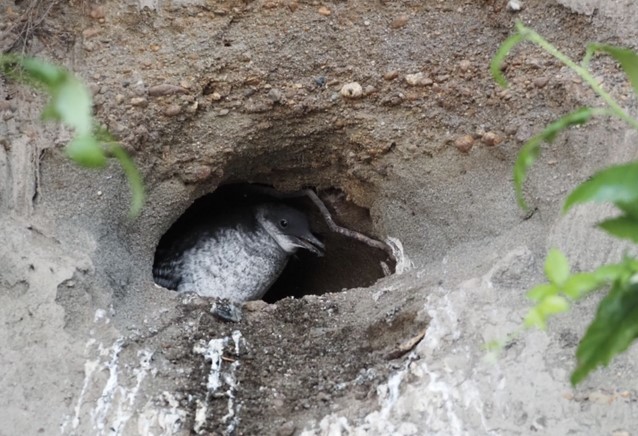
More than 70,000 pairs of auklets nest on Protection Island. That’s because of the foresight of one person: the tenacious Eleanor Stopps of Port Ludlow, who founded Admiralty Audubon in the 1980s. It took her years to secure the island as a wildlife refuge, currently safe from the threat of bulldozers crushing these delicate ground-nesting sites.
With no special political base or powerful financial backers, Stopps testified before the Washington State Legislature and the U.S. Congress. Working with Eleanor to halt property development on Protection Island that threatened critical nesting habitat for Puget Sound seabirds, Lorna Smith traveled with Eleanor throughout Washington, getting supporters to pressure their Congress members to make the island a National Wildlife Refuge. They went to D.C. to lobby Congress themselves. They led a nine-year grassroots effort that culminated in 1982 when Congress allocated $4 million for the purchase of Protection Island as a national wildlife refuge. It was the only refuge designated during President Ronald Reagan’s eight-year administration. He signed the deal on Oct. 15, 1982.
Their legacy is a reminder that ordinary citizens, working together, can protect wild places for good. We carry that work forward today.
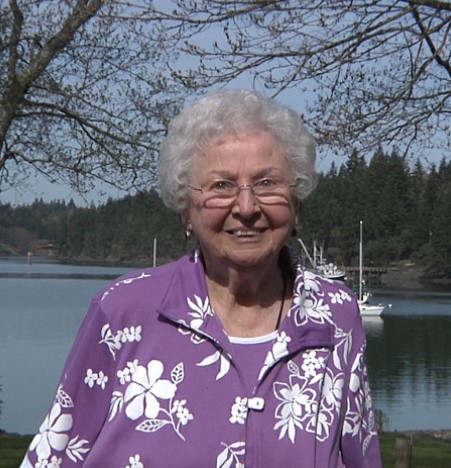
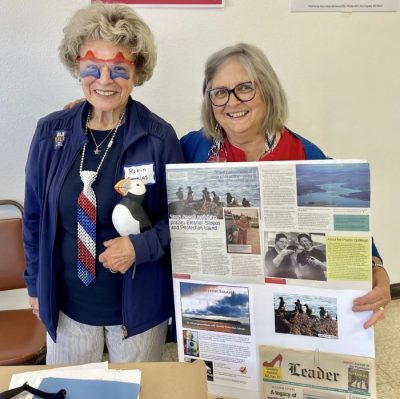
Shown below: Eleanor Stopps and Lorna Smith
Robin Ornelas and Lorna Smith at a gathering sharing the story of Eleanor Stopps’ dedication to protect these refuges
“for the birds!”
Urgent
Take Action — Your Voice Matters
Elected officials respond to constituents. Email Congresswoman Emily Randall, Senator Patty Murray, and Senator Maria Cantwell and tell them to keep Protection Island and Dungeness in public hands. Ask them to oppose any transfer that removes these refuges from the public trust. A short, personal message makes a real difference.
We are a community action group of ornithologists, wildlife biologists, and concerned citizens working to protect Protection Island and Dungeness National Wildlife Refuges in perpetuity. We come from different backgrounds, but we share one conviction: these lands belong to everyone, and they must be kept safe for the wildlife and the generations who depend on them.
Safeguarding the wild islands, seabirds, and shorelines of Protection Island and Dungeness National Wildlife Refuges for generations to come – exactly as Eleanor Stopps wanted it. Her legacy speaks volumes.
Two sanctuaries, one shoreline
Dungeness Wildlife Refuge
One of the longest natural sand spits in the world reaches five miles into the Strait of Juan de Fuca. Its tideflats and eelgrass beds feed migrating shorebirds, waterfowl, and the harbor seals that haul out along its inner shore. It was established on January 20, 1915 by U.S. President Woodrow Wilson.
Protection Island
Nearly three-quarters of the seabirds nesting in the Puget Sound region raise their young on this single windswept island. Closed to the public, it is a true refuge — human feet stay off so that wings can stay in the air. It must remain protected.
The Protection Island and Dungeness National Wildlife Refuges are not just protected areas; they are sanctuaries where countless bird species thrive and ecosystems flourish. These refuges are a focal point for avian diversity, playing a crucial role in migratory patterns, breeding grounds, and overall ecological balance. With the pressing challenges posed by climate change, habitat destruction, and pollution, the urgency for their federal protection has never been more pronounced.
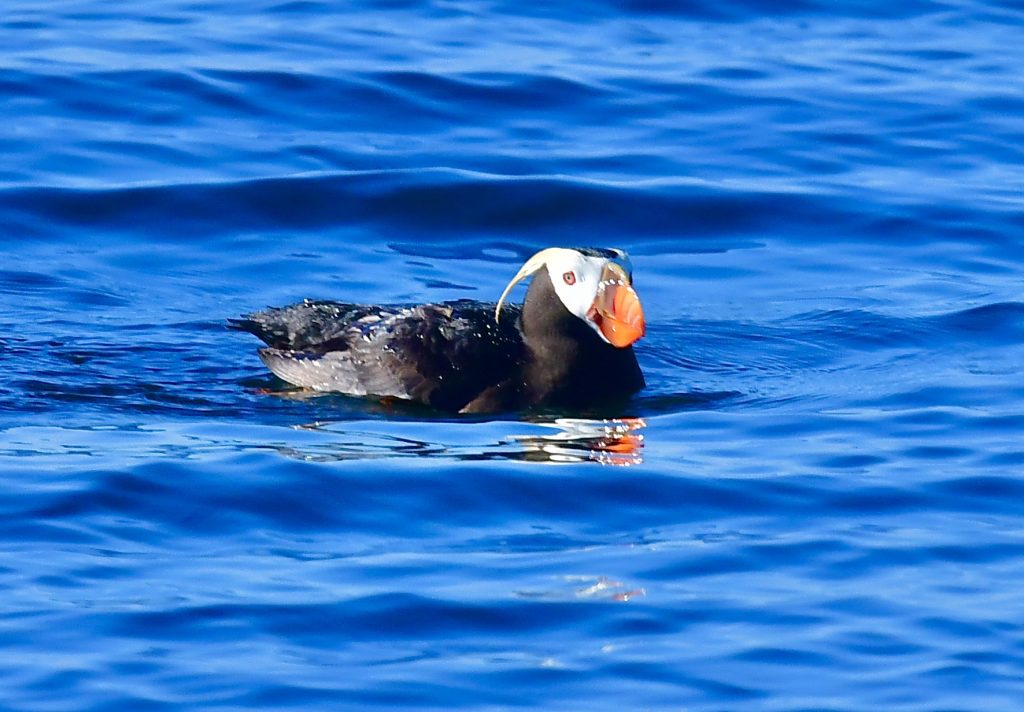
These fragile islands and shorelines are home to nesting seabirds, harbor seals, and one of the last strongholds of the Rhinoceros Auklet (Tufted Puffin). We work to keep them wild, protected, and undisturbed.